Parker Font: A Handwritten Touch for Your Brand
As a small business owner, every detail of your brand matters. From the way your logo looks to how your social media posts are styled, consistency and professionalism are key. That’s where Parker comes in—a cute and quirky handwritten font that adds a joyful, personal touch to your design work. Whether you're running a bakery, a boutique, or a coaching business, Parker can help elevate your visual identity with its expressive style.
What Is Parker?
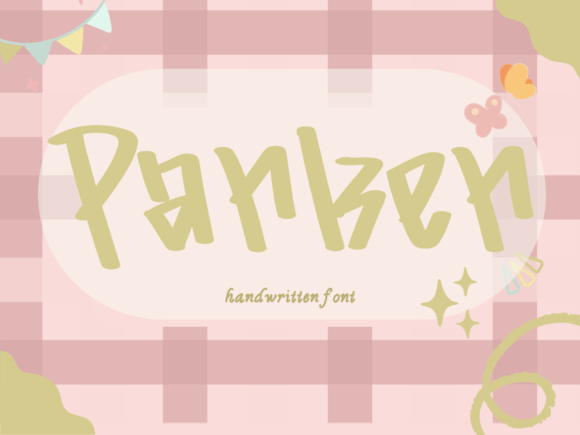
Parker is a script font with a friendly, approachable personality. Its flowing lines and slightly irregular shapes give it a handcrafted feel, making it perfect for brands that want to stand out while still looking polished. Unlike rigid typefaces, Parker feels more like a personal signature than a generic font, which makes it ideal for creative businesses looking to build a unique brand voice.
This font works especially well when used as a display typeface—think headlines, logos, or social media graphics. It brings a sense of warmth and authenticity that can make your brand feel more relatable to customers.
How to Use Parker in Your Business Materials
There are countless ways to incorporate Parker into your branding. For example, if you run a handmade candle business, using Parker on product labels can add an artisanal flair that speaks to your customers’ values. Similarly, a café owner might use it on menus or signage to create a cozy, inviting atmosphere.
On social media, Parker can be a great choice for Instagram posts, Pinterest graphics, or digital ads. Its playful style helps catch attention while still maintaining a level of sophistication. When paired with a clean sans serif font, it can balance creativity with readability, making it easier for your audience to engage with your content.
For website visuals, Parker can be used in banners, headings, or call-to-action buttons. It adds a distinctive character that sets your site apart from competitors. However, it's important to use it strategically—too much of it can make your design feel cluttered or hard to read.
When to Use Parker as a Display Font
Parker shines best when used as a headline or logo font. It’s not designed for long blocks of text, but as an accent or supporting typeface, it can add visual interest without overwhelming your audience. For instance, a beauty brand might use Parker in their logo to convey a sense of care and individuality, while pairing it with a simple serif font for body copy.
It’s also useful for packaging design. If you’re selling products online or in a physical store, using Parker on boxes, tags, or stickers can make your brand more memorable. The font’s personality aligns well with handmade, organic, or personalized products, helping to reinforce your brand story.
Readability and Practical Use
One of the biggest concerns when using a handwritten font like Parker is whether it will be easy to read in different formats. Fortunately, this font is designed with practicality in mind. It maintains clarity even on small labels, mobile screens, or printed materials. That means you can confidently use it for everything from product tags to thank-you cards without worrying about legibility.
When testing Parker for your brand, try using it in different sizes and contexts. For example, see how it looks on a business card versus a large banner. This will help you determine where it works best and where you might need a different typeface.
Font Pairing Tips for Small Businesses
Pairing Parker with other fonts can help create a balanced and professional look. A common approach is to pair it with a clean sans serif font like Helvetica or Arial. This combination gives your designs a modern, structured feel while allowing Parker to stand out as a decorative element.
Another option is to pair it with a readable serif font such as Georgia or Times New Roman. This creates a classic, elegant aesthetic that works well for brands in industries like fashion, food, or lifestyle services. The contrast between the two fonts adds depth and visual interest to your designs.
Remember, the goal is to create a cohesive brand identity. Don’t be afraid to experiment with different pairings until you find what works best for your business.
Commercial Licensing and Font Usage
Before using Parker across your entire brand, make sure you understand the commercial licensing terms. Most premium fonts like Parker require proper licensing for use on products, packaging, templates, or client work. Always check the license agreement to avoid any legal issues down the line.
If you’re planning to sell merchandise or offer design services, it’s essential to confirm that the font you choose is suitable for those purposes. Some fonts may only be licensed for web use or personal projects, so it’s worth double-checking before committing to a font for your brand.
Why Parker Matters for Your Brand
In today’s competitive market, having a strong visual identity is more important than ever. Parker offers a unique way to express your brand’s personality while maintaining a professional appearance. Its versatility makes it a valuable addition to any designer’s toolkit, especially for small businesses looking to grow their presence online and offline.
Whether you’re designing a logo, creating social media content, or updating your packaging, Parker can help you stand out in a crowd. With its charming, handwritten style, it’s a font that feels both authentic and intentional—perfect for businesses that want to connect with their audience on a deeper level.
By choosing the right font, you’re not just picking a style—you’re making a statement about who you are as a brand. Parker is more than just a typeface; it’s a tool that can help you communicate your values, build trust, and create a lasting impression with your customers.